
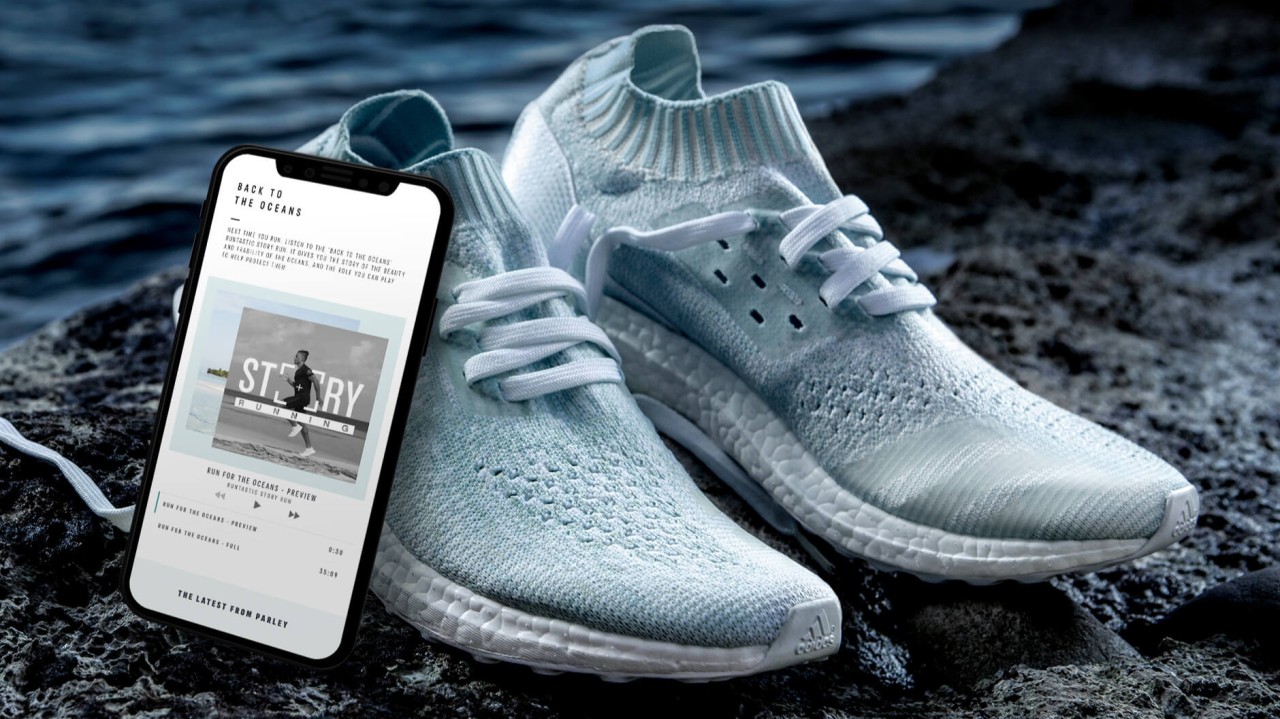
Community-driven change with Adidas & Parley
In this fourth article of the series "The future is circular", we explore how adidas, in collaboration with Parley for the Oceans and supported by **Blue Bite’s** technology, is proving that sustainability isn’t just about better materials, it’s about building a movement.
Consumers today don’t just buy products; they seek brands that align with their values and empower them to take meaningful action. Community-driven impact is reshaping sustainability, and Adidas is using connected products to turn every purchase into a step toward systemic change.
The challenge: Creating real impact beyond the product
The sportswear industry faces an urgent challenge:
- Plastic pollution is a global crisis: High-performance athletic gear is still heavily reliant on synthetic materials, and the fashion industry remains a major contributor to ocean waste.
- Education is key, but action is better: Consumers want to make informed choices, but they also want to feel like their actions matter.
- From individual to collective impact: Brands must go beyond selling eco-friendly products and instead foster a community that actively participates in solutions.
Adidas and Parley set out to prove that sustainability isn’t just about reducing impact, it’s about mobilizing consumers to be part of the solution.
The solution: Connected products that build a movement
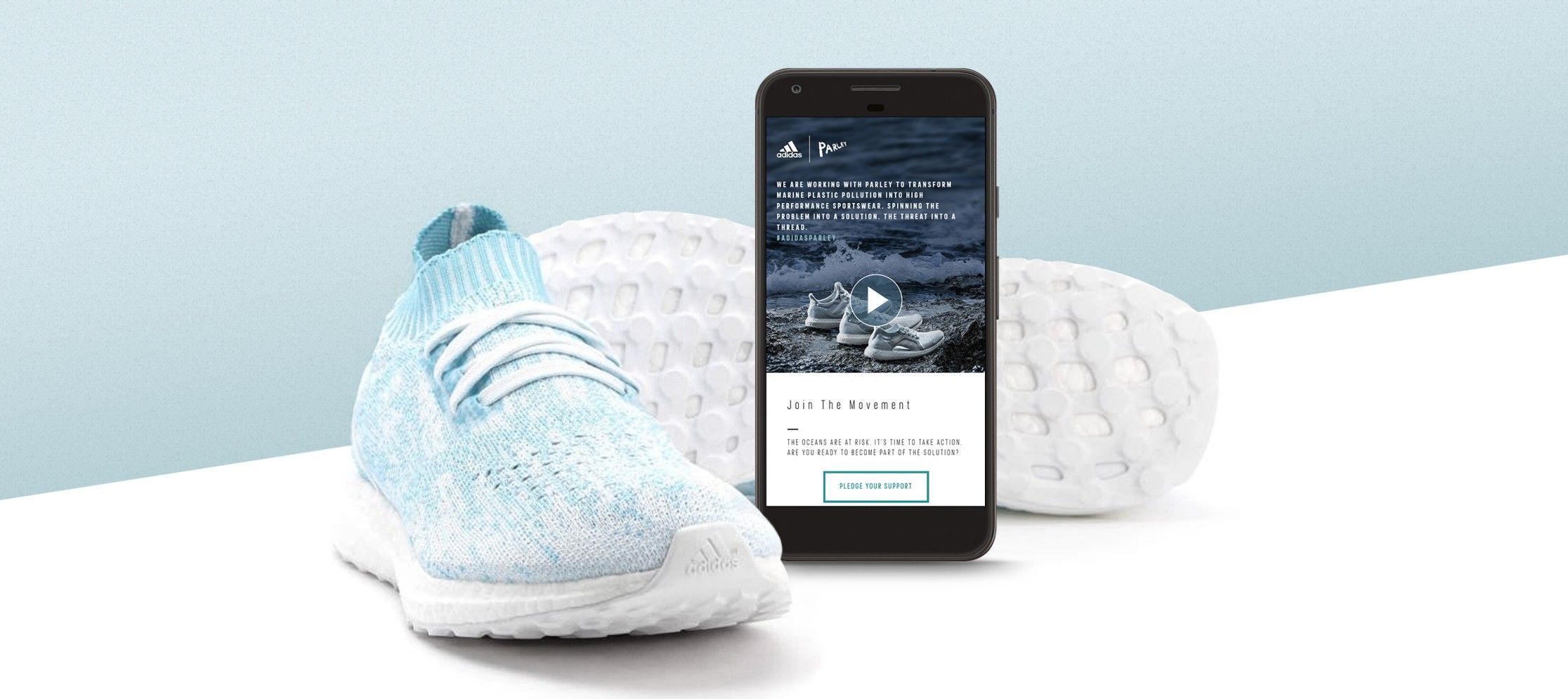
To bridge the gap between sustainability and action, Adidas embedded NFC chips into the Ultraboost Parley sneakers, transforming them into digital engagement tools. Powered by Blue Bite, these connected products provide:
- A direct connection to the mission: A simple tap of a smartphone unlocks an immersive experience detailing Parley’s work in ocean conservation.
- Personalized pledges and engagement: Consumers can commit to reducing their plastic footprint and share their actions with a like-minded community.
- A global network of changemakers: By engaging with the platform, users become part of a growing movement dedicated to systemic environmental action.
This is not just a sneaker, it’s a digital gateway into a community that believes in change.
The impact: Empowering consumers to drive systemic change
The integration of DPPs, NFC technology and circular design delivers more than just product transparency, it transforms how consumers engage with sustainability:
- From product to purpose: The Ultraboost Parley isn’t just made from ocean plastic, it actively funds efforts to remove plastic from marine environments.
- Consumers as advocates: By engaging with the platform, every user becomes an ambassador for reducing plastic pollution.
- Stronger emotional connections: The ability to see impact in real-time fosters a deeper sense of responsibility and loyalty to the brand.
When brands provide the right tools, consumers don’t just support sustainability, they become the driving force behind it.
A new model: Community as the key to circularity
The Adidas x Parley initiative proves that sustainability efforts can be scalable and impactful when consumers are engaged as an active part of the solution.
- Sustainable materials alone aren’t enough; systemic change happens when brands foster community-driven action.
- Transparency builds trust, but meaningful engagement builds movements.
- Connected products can go beyond authentication to create real-world impact.
This approach ****is about creating a ripple effect of awareness, education, and collective action, not just about selling a product
Final thoughts
Technology is redefining the role of consumers in sustainability. Connected products don’t just provide transparency, they create interactive experiences that drive lasting behavioral change.
adidas is demonstrating that when brands invite consumers into a movement, they turn awareness into action and action into systemic change.


