

Sustainable Resale: Transforming Fashion With AI
Rethinking the value of every garment is no longer optional for high-end fashion brands navigating a sustainability-focused future. The shift from linear to circular fashion principles is reshaping how luxury companies in Europe approach both environmental responsibility and business growth. As premium brands explore ways to extend product lifecycles and minimize waste, this article highlights how innovative AI solutions can strengthen resale operations while aligning with the goals of circularity and long-term value creation.
What Sustainable Resale Means In Fashion
Sustainable resale represents a transformative approach to fashion consumption, shifting from traditional linear models towards a more circular and environmentally conscious system. At its core, sustainable resale means extending the lifecycle of clothing items by promoting reuse, repair, and responsible purchasing practices. Circular fashion principles challenge the traditional ‘take-make-dispose’ mentality by reimagining how clothing moves through economic and environmental systems.
The key components of sustainable resale include:
Consumers and brands are increasingly recognizing that sustainable resale is not just an ethical choice, but a strategic business model. Market research indicates growing consumer demand for transparent, environmentally responsible fashion options. This shift is driven by increasing awareness of textile waste, climate change concerns, and the economic benefits of circular fashion models.
Pro tip: Start building a sustainable wardrobe by prioritizing quality over quantity and exploring local resale platforms that support circular fashion initiatives.
Key Models: Resale, Rental, Take-Back
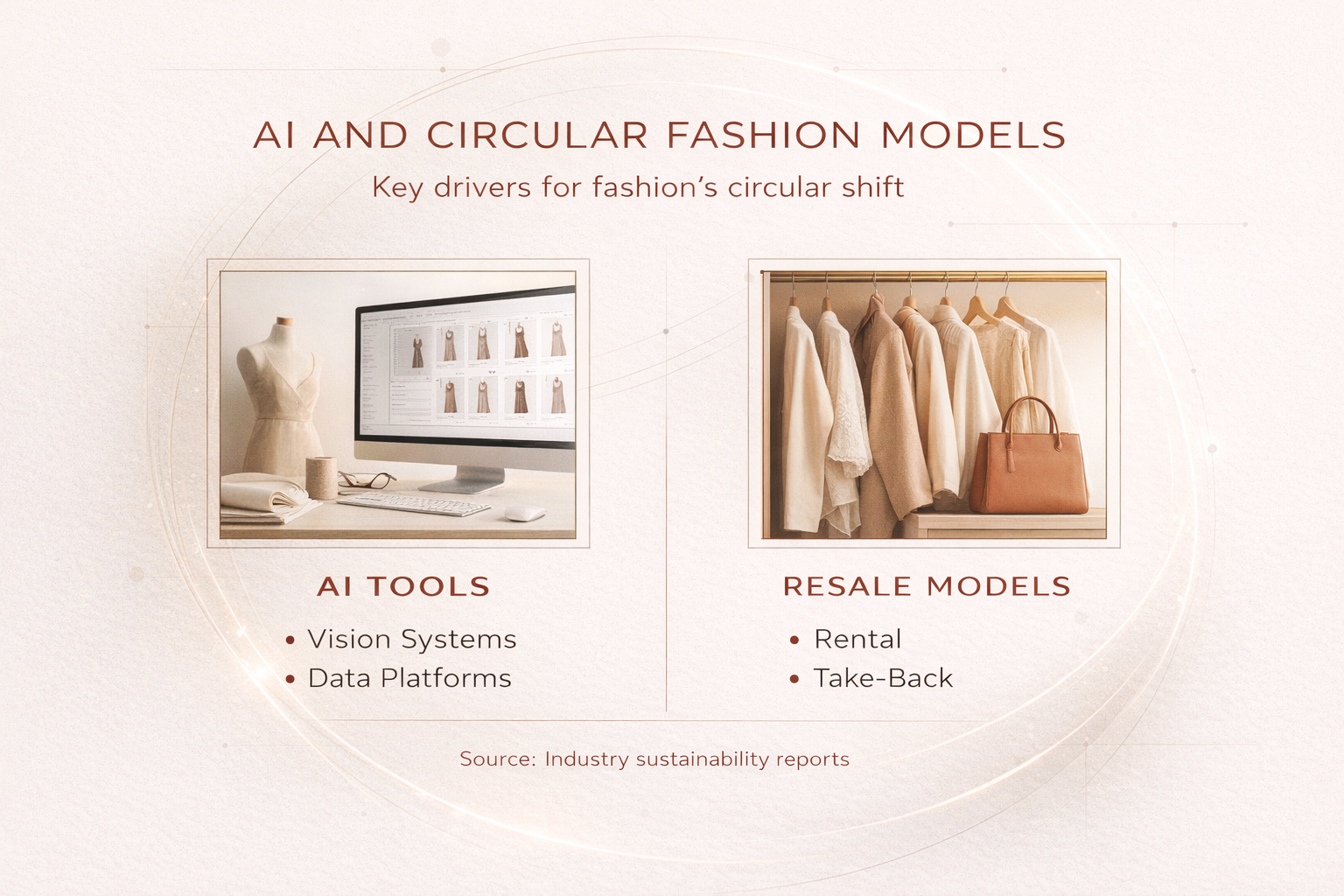
Circular fashion is revolutionizing the traditional clothing ecosystem through innovative business models that prioritize sustainability and resource efficiency. Circular business models have emerged as powerful strategies to reduce environmental impact and transform how consumers interact with fashion.
The primary circular models in fashion include:
Premium brand economics reveal that resale models demonstrate more favorable environmental and economic outcomes compared to traditional recycling approaches. High-end brands often retain significantly more value in secondary markets, making these circular strategies more financially viable. Affordable fashion brands face greater challenges in implementing these models, requiring innovative approaches to cost management and product design.
The ultimate goal of these circular models is to decouple consumer demand from raw material extraction, creating a more sustainable and regenerative fashion ecosystem that minimizes waste and maximizes resource efficiency.
Pro tip: Research brands with robust circular business models and support those demonstrating genuine commitment to sustainable fashion practices.
How AI Drives Scalable Circularity
Artificial Intelligence is revolutionizing the fashion industry’s approach to sustainability by providing unprecedented capabilities for tracking, evaluating, and optimizing clothing lifecycles. AI-powered circular fashion technologies are transforming how brands manage product traceability, quality assessment, and resource recovery.
Key AI applications in sustainable fashion include:
Artificial Intelligence technologies are critical in helping fashion companies transition from linear to circular models. These advanced systems enable precise inventory management, enhance material recyclability assessments, and provide data-driven insights that support sustainable design strategies. By predicting garment value and optimizing resource flows, AI helps brands reduce waste, extend product lifecycles, and create more economically viable circular fashion ecosystems.
The transformative potential of AI extends beyond operational efficiency, fundamentally reimagining how fashion brands approach sustainability, design, and consumer engagement.

Pro tip: Invest in AI-powered tools that provide granular insights into product lifecycle and circularity potential.
Economic And Environmental Impacts For Brands
The transition to circular fashion models presents a complex landscape of economic opportunities and environmental challenges for brands across different market segments. Resale program performance varies significantly, with premium brands experiencing more substantial benefits compared to fast-fashion retailers.
Key economic and environmental considerations include:
Strategic sustainability challenges reveal that brands must carefully balance economic feasibility with environmental goals. Premium brands typically achieve more meaningful carbon footprint reductions, as their higher-value items generate more significant environmental benefits when resold. Fast-fashion brands face steeper challenges, with minimal emission reductions due to lower per-item environmental impact.
Successful circular fashion strategies require a holistic approach that integrates economic viability, environmental responsibility, and innovative technological solutions.
Pro tip: Conduct comprehensive lifecycle assessments to understand the true environmental and economic potential of your resale initiatives.
Common Challenges And Solutions
The path to sustainable fashion resale is fraught with complex operational and strategic challenges that require innovative approaches and multi-stakeholder collaboration. Scaling ESG solutions demands a comprehensive understanding of the intricate barriers preventing widespread circular fashion adoption.
Key challenges in sustainable fashion resale include:
Circular fashion strategies reveal that successful brands focus on addressing these challenges through technological innovation, operational efficiency, and strategic customer engagement. Automation, advanced traceability technologies, and targeted consumer education programs can help mitigate economic and environmental barriers, transforming potential obstacles into opportunities for sustainable growth.
The most effective solutions integrate technological capabilities with human-centered design, creating holistic approaches that balance economic viability with environmental responsibility.
Pro tip: Develop cross-functional teams that combine sustainability expertise with technological innovation to create more comprehensive circular fashion solutions.
Drive Sustainable Resale Forward With AI-Powered Circular Solutions
The article highlights critical challenges in sustainable resale such as tracking product lifecycles, managing operational complexity, and maximizing resale value. If your fashion brand is struggling to implement effective circular business models like resale, take-back, or repair while maintaining profitability and environmental responsibility, you are not alone. Key goals include extending product lifecycles, improving traceability, and unlocking measurable commercial value through technology and innovation.
Reclaim’s AI-driven platform directly addresses these pain points by providing precise product recognition, future-value prediction, and seamless wardrobe connectivity. Our solutions transform circularity from a costly program into a commercial advantage that boosts customer lifetime value and optimizes recovery flows. Experience AI-powered smart routing of products into resale, donation, or recycling channels that your brand can track and monetize with confidence.
Make the leap from theoretical circular fashion models to actionable results. Now is the time to empower your brand with the technology that scales sustainability while enhancing revenue.

Discover how to build circularity into every sale and recovery at Reclaim. Visit our landing page to start turning circular fashion challenges into profitable opportunities today. Learn more about integrating AI solutions that make extended product lifecycles and transparent impact measurement your new standard.
Frequently Asked Questions
What is sustainable resale in fashion?
Sustainable resale in fashion refers to a circular approach that extends the lifecycle of clothing by promoting reuse, repair, and responsible purchasing, ultimately reducing waste and environmental impact.
How do AI technologies support sustainable resale in the fashion industry?
AI technologies help brands track and optimize clothing lifecycles through applications like machine vision for garment condition evaluation, predictive analytics for forecasting resale potential, and traceability tools to monitor product journeys, enhancing sustainability efforts.
What are the primary models of circular fashion?
The primary circular models include resale (selling pre-owned clothing), rental (temporary access to fashion items), take-back (brands recovering garments for recycling), and repair (extending product usability through maintenance).
What are some common challenges brands face in adopting sustainable resale practices?
Brands encounter challenges such as supply chain complexity, high operational costs, maintaining product quality for resale, and the need for consumer education to promote participation in sustainable practices.


